The modern office environment demands a careful balance between technological advancement and human comfort. As businesses increasingly recognise the profound impact that workplace design has on employee performance and satisfaction, attention has shifted towards creating spaces that not only facilitate work but actively enhance it. Through the strategic deployment of electrical infrastructure and thoughtful consideration of physical wellbeing, organisations can cultivate environments where productivity flourishes naturally.
Leveraging electrical tools to boost workplace productivity
The foundation of any efficient office lies in its electrical framework. Beyond simply providing power, contemporary systems offer sophisticated control over energy consumption whilst simultaneously supporting the diverse technological needs of today's workforce. Smart electrical solutions have emerged as essential components in transforming traditional workspaces into dynamic environments that respond intelligently to occupancy patterns and usage demands. These systems enable organisations to achieve substantial cost savings whilst reducing their environmental footprint through precise monitoring and automation capabilities.
Smart power management systems for modern offices
Implementing advanced power management begins with understanding how energy flows through the workplace. Modern distribution boards and energy management systems allow facilities to track consumption at granular levels, identifying opportunities for optimisation that would otherwise remain hidden. Smart lighting systems represent perhaps the most visible manifestation of this approach, adjusting brightness according to natural daylight availability and occupancy patterns. When paired with automated HVAC systems that regulate temperature and airflow based on real-time conditions, these technologies create comfortable environments whilst significantly reducing waste.
Occupancy sensors play a particularly valuable role in this ecosystem, detecting movement and adjusting electrical systems accordingly. Empty meeting rooms no longer consume unnecessary energy for lighting or climate control, and individual workstations power down when unoccupied. This intelligent responsiveness extends to smart power strips that monitor energy usage at the device level, providing detailed insights into consumption patterns. For businesses seeking to comply with BS 7671 standards whilst embracing innovation, these solutions offer a pathway to meet regulatory requirements alongside operational excellence.
The integration of renewable energy sources, particularly solar panels, further enhances sustainability credentials. Organisations that invest in such infrastructure often discover that the initial outlay delivers returns not only through reduced energy bills but also through enhanced property values and improved standings in sustainability certifications. These systems contribute towards the ambitious goal of creating net zero buildings that produce as much energy as they consume, appealing strongly to environmentally conscious clients and potential employees alike.
Wireless charging stations and cable organisation solutions
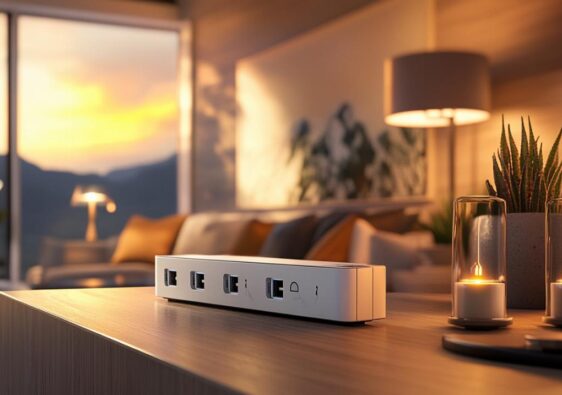
The proliferation of mobile devices in professional settings has created new challenges around power access and workspace organisation. Wireless charging stations integrated into desks and communal areas eliminate the tangle of cables that previously cluttered surfaces, creating cleaner visual environments that support concentration. Desk modules offering UK sockets alongside adaptive fast chargers ensure that employees can maintain productivity without searching for available power points or compatible adapters.
Underfloor power systems represent an increasingly popular solution for flexible office layouts, particularly those supporting hot-desking arrangements. These installations allow power access wherever needed without visible cabling, facilitating rapid reconfiguration as team structures evolve. Products designed specifically for modern workspaces often incorporate multiple socket types and charging options within compact modules that fit seamlessly into desk surfaces. Such thoughtful electrical fit-out work typically accounts for between fifteen and twenty-five percent of total office refurbishment costs, reflecting its critical importance to functional workspace design.
For organisations embracing hybrid work models, robust video conferencing infrastructure becomes essential. This requires careful planning around power distribution to ensure meeting spaces can support multiple screens, cameras, and audio equipment without overloading circuits. Emergency lighting systems and safety protocols remain paramount throughout, ensuring compliance with HSE guidelines and building regulations even as technological sophistication increases.
Implementing ergonomic design principles for employee wellbeing
Whilst electrical systems provide the technological backbone of productive spaces, physical comfort determines whether employees can sustain high performance throughout their working hours. ergonomics solutions for office environments address the biomechanical realities of extended desk work, reducing strain that accumulates over weeks and months into chronic discomfort or injury. Research consistently demonstrates that workplaces designed with ergonomic principles experience fewer absences, higher productivity levels, and improved employee satisfaction compared to those prioritising aesthetics over functionality.
The financial case for ergonomic investment proves compelling when organisations calculate the costs associated with musculoskeletal disorders and related health issues. Prevention through thoughtful design delivers substantially better returns than managing consequences after they emerge. Furthermore, employees who feel their wellbeing is valued demonstrate greater loyalty and engagement, contributing to improved retention rates that benefit organisations beyond immediate productivity gains.
Adjustable furniture and proper workstation configuration
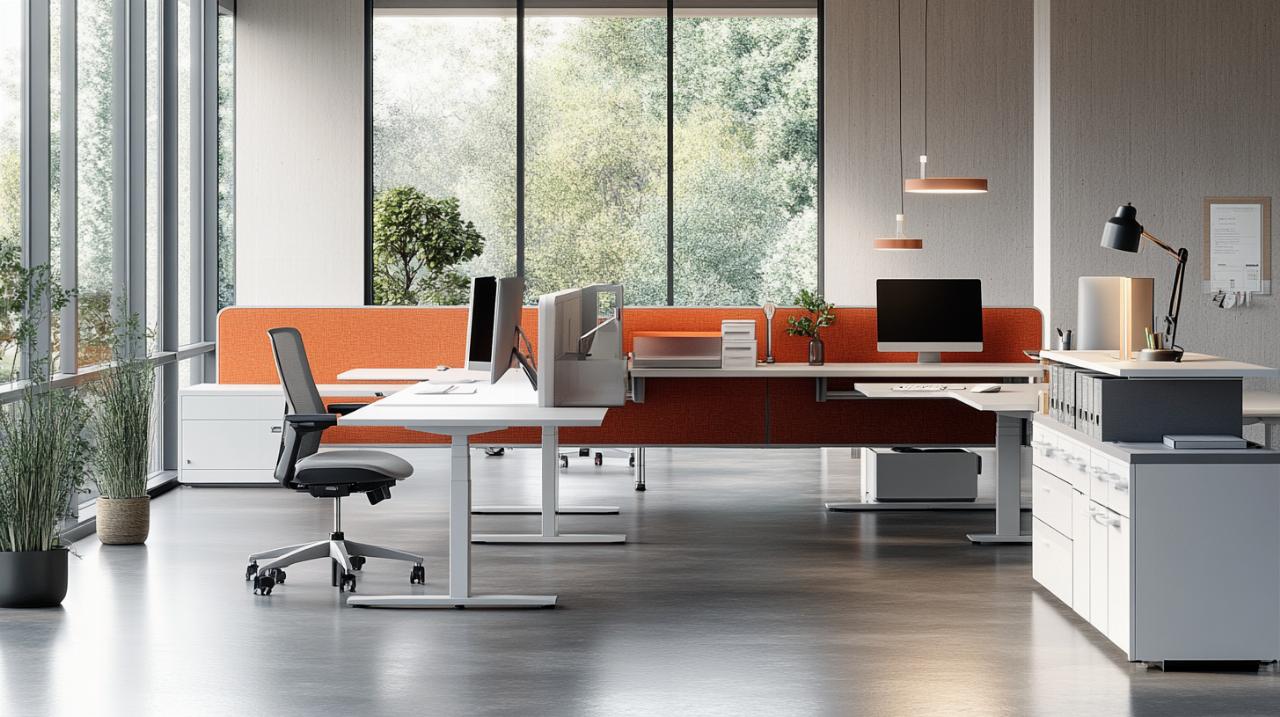
Height-adjustable desks have transitioned from luxury items to standard provisions in forward-thinking workplaces. These installations allow individuals to alternate between sitting and standing throughout the day, reducing the health risks associated with prolonged sedentary behaviour whilst maintaining focus on tasks. When paired with ergonomic chairs offering proper lumbar support and adjustable armrests, these desks create workstations that accommodate the diverse physical needs of different body types and working styles.
Proper configuration extends beyond furniture selection to encompass the spatial relationship between different elements. Monitor positioning affects neck strain, whilst keyboard and mouse placement influences wrist and shoulder comfort. Equipment such as monitor arms enables precise adjustment, ensuring screens sit at appropriate heights and distances for individual users. Biophilic design principles can complement these practical considerations by incorporating natural elements like plants and natural materials that research suggests improve both psychological wellbeing and cognitive performance.
Smart office technology increasingly supports ergonomic objectives through automated reminders encouraging movement breaks and posture adjustments. IoT devices can monitor environmental conditions, adjusting lighting intensity and colour temperature to reduce eye fatigue during extended screen time. These systems demonstrate how electrical infrastructure and ergonomic principles intersect to create truly supportive work environments that address both physical comfort and technological functionality.
Lighting Solutions and Screen Positioning for Reduced Eye Strain
Visual comfort significantly influences concentration and productivity, yet poorly designed lighting remains remarkably common in office environments. Glare from windows or overhead fixtures creates discomfort that employees may not consciously recognise but that nevertheless degrades their performance throughout the day. Advanced lighting systems address these challenges through layered approaches combining ambient, task, and accent lighting at appropriate intensities for different activities and times of day.
Natural light exposure benefits both physical health and mood regulation, making window access valuable where available. However, direct sunlight requires management to prevent screen glare and excessive heat. Smart lighting systems can automatically adjust artificial light levels to complement natural illumination, maintaining consistent conditions regardless of external weather. These systems support circadian rhythm alignment, potentially improving sleep quality for employees whose work schedules might otherwise disrupt natural patterns.
Screen positioning requires consideration of both viewing angle and distance from the user. Displays placed too high encourage neck extension that becomes uncomfortable over time, whilst those positioned too low promote hunching that stresses the upper back and shoulders. Multiple monitor configurations demand particular attention to arrangement, ensuring that primary screens sit directly in front of users rather than requiring constant turning. When combined with appropriate ambient lighting that minimises contrast between screen brightness and surrounding areas, these arrangements substantially reduce eye strain and associated headaches.
Regular maintenance and testing of electrical systems ensures that lighting performance remains consistent over time, with failing bulbs or dimming fixtures replaced before they compromise visual comfort. Future-proofing considerations should include capacity for emerging technologies, allowing organisations to adopt new solutions without requiring complete system overhauls. Selecting qualified contractors with relevant certifications and experience ensures installations meet current standards whilst anticipating future needs.
The transformation of office spaces through electrical innovation and ergonomic design represents more than mere workplace improvement. It reflects a fundamental recognition that human performance flourishes when environments actively support rather than simply accommodate work activities. Organisations that embrace this perspective through strategic investment in both technological infrastructure and physical comfort position themselves to attract talent, enhance productivity, and demonstrate genuine commitment to employee wellbeing. As hybrid working models continue reshaping professional landscapes, spaces that successfully integrate these principles will distinguish themselves as destinations where people choose to work rather than places they must attend.