Fashion has always been more than simply covering oneself; it represents a dialogue between our inner selves and the world around us. Today, a fascinating shift is unfolding as the industry increasingly draws from literature, intellectual movements, and cultural heritage. Instead of relying solely on celebrity endorsements and fleeting trends, designers and style enthusiasts are turning to the pages of classic and contemporary fiction, as well as to the rich tapestry of global traditions, to craft wardrobes that speak to something deeper and more meaningful. This evolution reflects a broader desire for substance and narrative in what we wear, transforming garments into canvases for storytelling and cultural exploration.
Literary characters who've shaped modern wardrobes
The influence of literature on fashion is not a new phenomenon, yet its current iteration feels particularly potent and deliberate. At recent spring and summer fashion shows, the front rows have witnessed a remarkable transformation. Where once Hollywood starlets dominated the spotlight, intellectuals and acclaimed authors such as Zadie Smith, Miranda July, and Ottessa Moshfegh now occupy these coveted seats. This shift signals a broader cultural appetite for fashion intellectualism, where the creative process behind clothing is intertwined with literary inspiration and thoughtful commentary. Louis Vuitton's recent campaign featured Jennifer Connolly immersed in architecture books, embodying a vision of elegance that values knowledge and curiosity alongside aesthetic appeal. Similarly, Dior's new book totes have become iconic symbols of this movement, emblazoned with titles such as Dracula, Bonjour Tristesse, and Madame Bovary. These pieces are not mere accessories but declarations of literary affinity, inviting wearers to carry their favourite narratives wherever they go. The intellectual aesthetic has become a statement in itself, merging preppy classics with a deliberate hint of untidiness that suggests a life well-read and deeply considered.
Classic novel protagonists and their timeless style influence
Classic literature has long offered a treasure trove of sartorial inspiration, with protagonists whose wardrobes have transcended the pages to influence real-world fashion. Characters from the works of Victor Hugo, who used literature as an instrument of social commentary and defence of human rights, have inspired designers to create collections that echo themes of justice, struggle, and resilience. The romanticism and drama inherent in these narratives translate into flowing silhouettes, rich textures, and colours that evoke the emotional depth of the stories themselves. Moreover, the timeless elegance of characters from novels such as Madame Bovary continues to resonate, offering a blueprint for sophisticated yet understated style. This connection between book culture and fashion allows individuals to express their intellectual passions through their clothing choices, creating unique fashion trends that speak to a love of storytelling and a reverence for the written word. The intellectual look, characterised by preppy classics paired with thoughtful accessories, reflects a desire to align personal style with the literary worlds that have shaped one's imagination and values.
Contemporary fiction's impact on street fashion
While classic novels provide a foundation, contemporary fiction is equally influential in shaping today's street fashion landscape. Authors like Ottessa Moshfegh and Miranda July bring fresh perspectives that resonate with younger, digitally savvy audiences seeking authenticity and depth in what they wear. The rise of fashion nerds as influencers marks a departure from conventional style showcases, with individuals like Hanan Besovic gaining immense popularity through insightful critiques of fashion history. His post on Issey Miyake, for instance, garnered over thirty-one thousand likes, demonstrating a widespread hunger for content that blends fashion with intellectual rigour. This phenomenon is further amplified by pop stars such as Charli xcx and Doechii, who are writing essays on platforms like Substack, bridging the gap between pop culture and cerebral discourse. Trend forecaster Lucie Greene notes that there is a reinvention of cerebralism as cool, driven in part by advancements in artificial intelligence and a desire to reclaim authenticity in an increasingly automated world. Contemporary fiction, with its nuanced exploration of modern life, provides a rich source of inspiration for street fashion that is both expressive and intellectually engaged, reflecting the complexities and contradictions of our times.
Cultural heritage woven into today's fashion tapestry
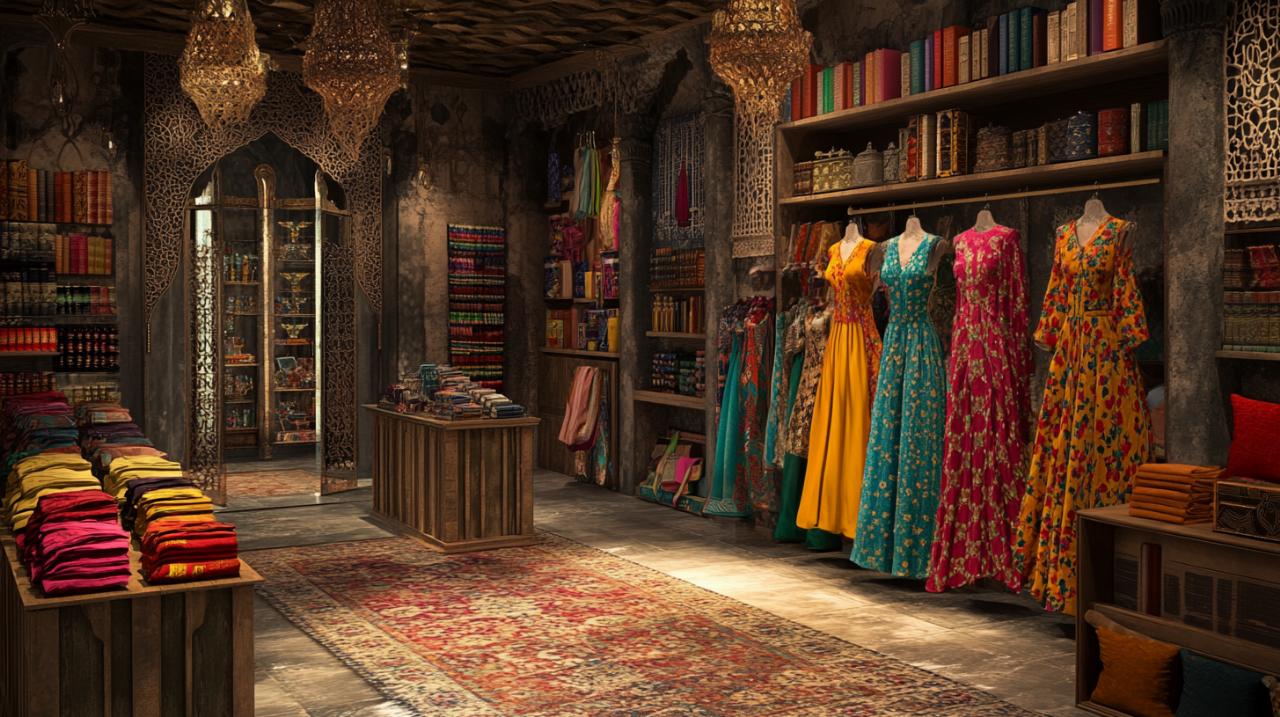
Beyond literature, cultural heritage plays a vital role in shaping unique fashion trends that honour tradition while embracing innovation. Designers are increasingly drawing from global narratives, reimagining traditional garments for modern sensibilities and creating a fashion tapestry that celebrates diversity and storytelling. This integration of cultural elements is not merely about aesthetic borrowing but represents a deeper engagement with the histories, philosophies, and values embedded in different societies. The result is a wardrobe that reflects a world in dialogue, where fashion becomes a medium for exploring identity, belonging, and the shared human experience.
Traditional garments reimagined for modern sensibilities
Traditional garments from around the world are being reimagined to suit contemporary lifestyles, blending time-honoured craftsmanship with modern design principles. This transformation is evident in the way designers incorporate elements such as intricate embroidery, traditional weaving techniques, and culturally significant patterns into pieces that are both functional and fashion-forward. The philosophy of Anne Benson, which emphasises the integration of personal philosophy and daily life, resonates strongly here, as these garments become expressions of individual and collective identity. By honouring the legacy of traditional dress while adapting it to today's aesthetic and practical needs, designers create clothing that tells stories of heritage and innovation. This approach not only preserves cultural narratives but also invites wearers to engage with them in meaningful ways, fostering a sense of connection and continuity across generations and geographies.
How global narratives are reshaping british fashion identity
British fashion identity, long celebrated for its eclectic mix of rebellion and refinement, is undergoing a transformation as global narratives increasingly influence its trajectory. The integration of diverse cultural elements reflects a broader societal shift towards inclusivity and cross-cultural dialogue. Designers in the UK are drawing inspiration from a wide array of sources, from the literary works of Victor Hugo to contemporary explorations of identity and belonging found in modern fiction and philosophy. This global perspective enriches British fashion, adding layers of meaning and complexity that resonate with audiences seeking substance alongside style. The influence of international brands, coupled with the rise of digital platforms that facilitate the exchange of ideas and aesthetics, has created a vibrant ecosystem where tradition and innovation coexist. As a result, British fashion is becoming a microcosm of the world itself, a space where unique fashion trends emerge from the synthesis of local heritage and global inspiration, offering wearers the opportunity to express a multifaceted identity that honours both the past and the present.