Protecting your valuable electronics from unexpected power surges is essential in today's connected world. With devices ranging from computers and televisions to gaming consoles and kitchen appliances, the risk of damage from voltage spikes is ever-present. A quality surge protector power strip not only offers multiple outlets for your gadgets but also shields them from electrical irregularities that can occur several times a day. Understanding the differences between models, their protective capabilities, and the features that truly matter can help you make an informed choice that safeguards your equipment and provides peace of mind.
Essential Features to Consider When Selecting a Surge Protector Power Strip
When evaluating surge protector power strips, the joule rating stands out as one of the most critical specifications. This measurement indicates the amount of energy the device can absorb before its protective components fail. For basic protection, a minimum of six hundred joules is recommended, but for comprehensive safety, particularly in home office setups or when safeguarding sensitive electronics, models offering two thousand joules or more are preferable. Some premium options, such as certain Belkin models, exceed three thousand joules, providing robust defence against even significant voltage spikes. Equally important is the clamping voltage, which determines the threshold at which the surge protector begins to divert excess electricity away from your devices. Look for units with clamping voltages around three hundred and thirty to four hundred volts, as these levels offer a reliable balance between sensitivity and performance.
Response time is another often overlooked yet vital characteristic. The best surge protectors react in less than one nanosecond, with some advanced units achieving response times measured in picoseconds. This rapid reaction ensures that surges are intercepted before they can reach and damage your equipment. LED indicator lights serve a practical purpose by confirming that the protection is active and that the unit is properly grounded. Additionally, three-line protection, which guards the hot, neutral, and ground lines, ensures comprehensive coverage against various types of electrical anomalies.
Understanding joule ratings and clamping voltage protection levels
The joule rating essentially reflects the lifespan and capacity of a surge protector. Each time a surge is absorbed, the protective components, particularly metal oxide varistors, degrade slightly. Over time, repeated exposure to surges diminishes the unit's ability to protect, which is why it is advisable to replace surge protectors every three to five years, or even more frequently in areas prone to electrical issues. Higher joule ratings not only provide greater initial protection but also extend the useful life of the device. For instance, a unit rated at four thousand three hundred and twenty joules, such as the Belkin twelve-outlet pivot-plug model, offers class-leading surge protection and is well-suited to environments with multiple high-value electronics.
Clamping voltage, meanwhile, dictates how much voltage is allowed to pass through to your devices before the surge protector activates. Lower clamping voltages mean earlier intervention, which can be beneficial for particularly sensitive equipment. However, excessively low thresholds may cause the protector to activate too frequently, potentially shortening its lifespan. A clamping voltage in the range of three hundred and thirty to four hundred volts strikes an effective balance, ensuring prompt protection without unnecessary wear.
Evaluating the Number of Outlets and USB Charging Capabilities
The number of outlets is a straightforward yet crucial consideration. For home offices or entertainment centres, models offering between eight and twelve AC outlets provide ample capacity for computers, monitors, printers, and peripherals. It is also worth noting the spacing between outlets, as well-spaced plugs accommodate larger power adaptors without blocking adjacent sockets. Models with pivoting plugs, such as the Belkin twelve-outlet version, offer additional flexibility, allowing you to configure the layout to suit your needs.
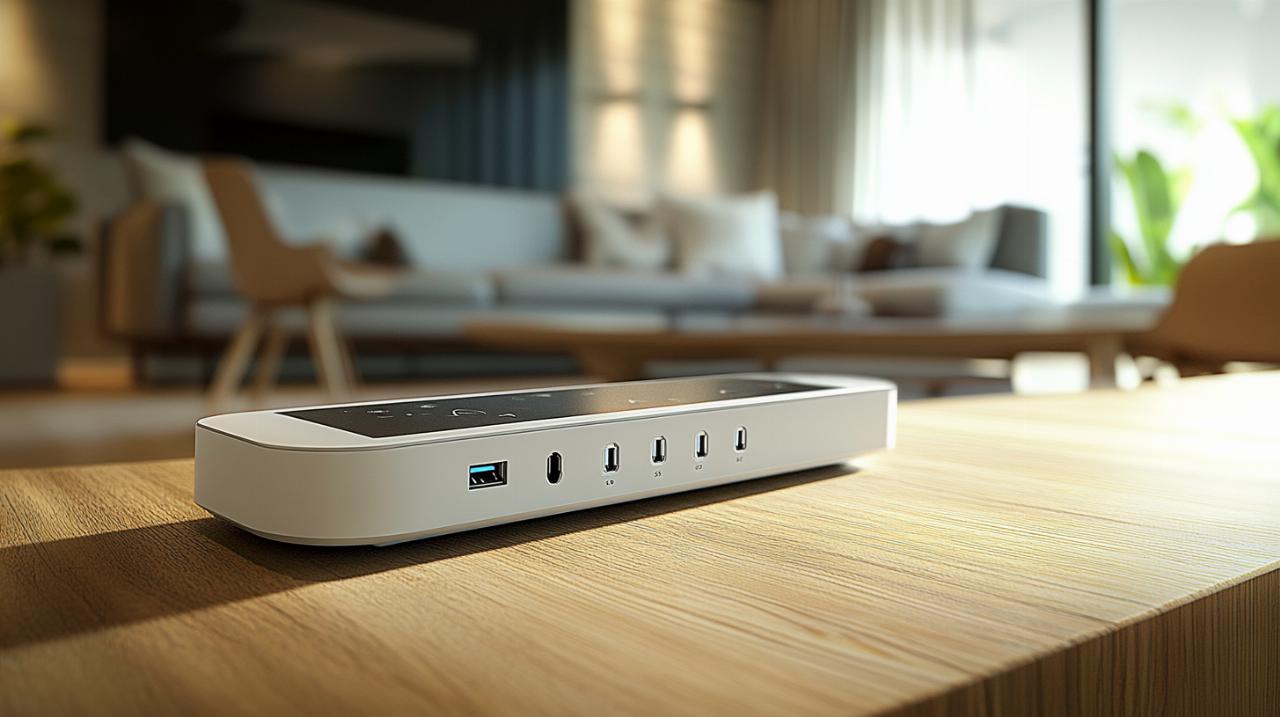
USB charging ports have become increasingly valuable, eliminating the need for separate charging adaptors and freeing up AC outlets for devices that require them. Many contemporary surge protectors include between two and four USB ports, with some offering USB-C connectivity for faster charging and compatibility with modern smartphones, tablets, and other gadgets. This feature is particularly convenient in environments where multiple devices require simultaneous charging, such as family living rooms or shared workspaces. When selecting a model, consider both the total number of USB ports and the power output they provide, as higher amperage ports deliver quicker charge times.
Top-Rated Surge Protector Power Strips for Home and Office Use
Several models have distinguished themselves through rigorous testing and positive user feedback. The Bototek surge protector, featuring ten AC outlets and four USB ports, has earned recognition as a best overall choice. Priced at approximately twenty-three pounds, it combines a robust surge protection rating of two thousand one hundred joules with well-spaced plugs that accommodate a variety of power adaptors. Its blend of capacity, protection, and affordability makes it a versatile option for both home and office environments.
For those seeking exceptional value, the KMC six-outlet surge protector, available in a twin pack for around eleven pounds and eighty-seven pence each, offers reliable longevity and includes four mounting holes for wall or under-desk installation. This budget-friendly option is ideal for setups with fewer devices or for distributing protection across multiple rooms. On the premium end, the Belkin twelve-outlet pivot-plug model stands out with an impressive four thousand three hundred and twenty joules of surge protection, eight pivoting plugs, and a price point of about thirty-four pounds. Its advanced features make it particularly suitable for protecting high-value electronics such as home theatre systems, gaming rigs, or professional audio equipment.
Premium Models with Advanced Protection for Sensitive Electronics
Advanced surge protectors cater to users with high-end electronics or extensive device collections. The Furman Power Station 8 is a notable upgrade pick, retailing at approximately one hundred and seventeen to one hundred and twenty-three pounds. This model is engineered for serious protection, making it an excellent choice for professional studios, audiophile setups, or home cinemas where equipment investments run into the thousands. Its robust construction, superior filtering, and reliable performance justify the higher cost for those who demand the utmost in electrical safety.
The Tripp Lite Protect It twelve-outlet surge protector is another top-tier option, priced between forty-four and forty-eight pounds. It offers twelve outlets along with coaxial and telephone ports, providing comprehensive protection for a wide range of devices, including routers, modems, and landline equipment. A standout feature of Tripp Lite models is their automatic shutoff, which disables the unit when surge protection wears out, ensuring that devices are never left vulnerable to unprotected surges. This intelligent design element adds an extra layer of safety and peace of mind.
Budget-friendly options offering reliable device safety
Affordability need not come at the expense of quality. The CRST ten-outlet heavy-duty surge protector, available for around twenty-two pounds and forty-five pence, boasts a fifteen-foot heavy-duty power cord and a surge protection rating of two thousand eight hundred joules. Its rugged construction and extended cord length make it ideal for workshops, garages, or areas where outlets are not conveniently located. This model demonstrates that reliable protection and practical features can be achieved without a hefty price tag.
The POWRUI six-outlet USB charger, priced at approximately thirty-two pounds and eighty pence, combines a low-profile wall-mounted design with a built-in phone holder and a surge protection rating of one thousand six hundred and eighty joules. This compact unit is perfect for bedside tables, kitchen counters, or small office spaces where floor space is at a premium. Its thoughtful design elements, such as the phone holder, add convenience and organisation to everyday use. For travellers, the Anker 321 power strip offers a compact design, USB charging for iPads and iPhones, and a voltage rating of ninety to two hundred and sixty volts, making it suitable for international use. Priced at around twenty-eight pounds, it combines portability with reliable protection.
Comparing performance, build quality, and value across leading brands
Brand reputation and build quality play significant roles in the long-term reliability of surge protectors. Belkin, Tripp Lite, and Furman are consistently recognised for their engineering excellence and customer support. Belkin, for instance, offers a range of products with varying outlet counts and joule ratings, paired with connected equipment warranties that can reach up to three hundred thousand pounds. This warranty coverage underscores the manufacturer's confidence in their products and provides financial protection should a surge cause damage to connected devices.
Tripp Lite models are equally reputable, with features such as automatic shutoff and robust construction that ensure continued protection over time. The inclusion of coaxial and telephone ports in some Tripp Lite surge protectors extends their utility beyond standard AC outlets, safeguarding communication and entertainment equipment as well. Furman, known for its professional-grade power conditioning, appeals to users who require the highest standards of electrical protection, particularly in audio and video production environments.
Warranty coverage and manufacturer equipment protection policies
Warranty coverage is a critical factor when evaluating surge protectors, as it reflects both the manufacturer's confidence in their product and the level of financial protection offered to consumers. Many reputable brands provide lifetime warranties on their surge protectors, along with connected equipment warranties that cover devices plugged into the unit. These equipment warranties can range from fifty thousand to three hundred thousand pounds, offering substantial reassurance for users with valuable electronics.
When reviewing warranty terms, it is important to understand the conditions under which coverage applies. Some policies require proof of surge damage and may exclude certain types of equipment or circumstances. Nonetheless, a comprehensive warranty serves as a valuable safety net and a testament to the quality of the product. Manufacturers such as Belkin and Tripp Lite clearly outline their warranty policies, making it straightforward for customers to assess the level of protection they are receiving.
Real-world testing results and user experience feedback
Real-world testing provides invaluable insights into the performance and durability of surge protectors. Comprehensive reviews often involve subjecting units to voltage spikes of up to five thousand volts, simulating the conditions that might occur during a lightning strike or major electrical event. Models that pass such rigorous tests with minimal degradation demonstrate superior build quality and reliability. User feedback further complements laboratory testing, revealing practical considerations such as cord length preferences, ease of installation, and long-term performance.
Testers and consumers alike have noted that cords ranging from eight to ten feet or longer offer the greatest flexibility for placement, allowing surge protectors to be positioned conveniently without requiring extension leads. Well-spaced outlets and pivoting plugs receive consistent praise for accommodating bulky adaptors, while LED indicator lights are valued for their ability to provide at-a-glance confirmation of protection status. Additionally, features such as retractable cords, mounting holes, and compact designs contribute to user satisfaction by addressing specific needs and preferences.
It is also essential to observe proper usage practices to maximise the effectiveness and lifespan of surge protectors. Never daisy-chain multiple surge protectors together, as this can overwhelm circuits and create fire hazards. Similarly, avoid using surge protectors with ungrounded outlets or extension leads, as these configurations compromise safety and protection. Keeping surge protectors off the floor, regularly checking LED lights, and replacing units every three to five years or after a major surge event are simple maintenance steps that ensure ongoing safety and performance. By combining informed product selection with responsible usage, you can effectively safeguard your electronics and enjoy reliable power distribution for years to come.