
When you discover a piece of jewellery tucked away in a drawer or inherited from a relative, the question of its worth often arises. Understanding whether that treasured item holds genuine value requires more than a casual glance. By examining hallmarks, assessing gemstone quality, and tracing provenance documentation, you can unlock the true story behind your old jewellery and potentially discover a hidden treasure waiting to be valued or sold.
Decoding Hallmarks: The First Step in Establishing Authenticity and Quality
Hallmarks serve as the silent witnesses of a piece's journey through time. These official stamps, found inside rings, on clasps, or on the backs of brooches, certify the purity of precious metals and provide a window into the item's origin. Britain's hallmarking system, dating back to 1300, has evolved into a sophisticated method of authentication that collectors and dealers rely upon. When you examine a piece of jewellery, turning it over to find these small markings is the first step in determining authenticity and quality.
Understanding british hallmarking systems and date letters
The British hallmarking system is a complex yet fascinating language of symbols and letters. A typical UK hallmark includes several components: a purity mark indicating the metal content, an assay office mark showing where the piece was tested, a date letter revealing when it was hallmarked, and often a maker's mark identifying the craftsman or house that created it. For instance, a stamp reading 375 signifies nine-carat gold, while 750 indicates eighteen-carat gold. The anchor symbol represents the Birmingham Assay Office, one of several prestigious institutions responsible for certifying precious metals across the United Kingdom. Understanding these marks allows you to confirm whether your piece is sterling silver, which contains 92.5 per cent pure silver, or perhaps Britannia silver at 95.8 per cent purity. The date letters, which cycle through alphabets over the years, can pinpoint when your jewellery was hallmarked, offering clues to its age and historical context. Georgian pieces created before 1837 often feature hand-stamped hallmarks with slight irregularities, while those from the Art Deco period between 1920 and 1939 display more uniform markings. Modern hallmarks, produced with laser precision, reflect contemporary manufacturing techniques. Consulting official guides or using digital tools designed to decode these symbols helps verify authenticity and guards against forgeries, which often lack the precise details found in genuine hallmarks.
Identifying Maker's Marks from Renowned Houses Like Cartier and Van Cleef & Arpels
Beyond the standard assay marks, the maker's mark holds particular significance when evaluating designer jewellery. Prestigious names such as Cartier, Van Cleef & Arpels, Tiffany, and Bulgari leave their distinctive signatures on their creations, and these marks can dramatically influence value. Designer jewellery from such renowned makers often retains between forty and seventy per cent of its original retail value, and in some cases, rare pieces can command prices thirty to seventy per cent above the metal's intrinsic melt value. When examining a piece, look for clear, well-defined maker's marks that match the known stamps used by these houses. Original boxes and accompanying papers can increase the value of designer pieces by twenty to forty per cent, as they provide additional proof of authenticity and provenance. If you suspect your jewellery comes from a prestigious maker, requesting clear photographs of the hallmarks and comparing them against verified examples ensures you are not misled by clever imitations. The presence of a recognised maker's mark transforms a piece from a simple antique into a work of art with documented heritage and investment potential.
Gemstone Assessment: Evaluating Precious Stones in Antique and Vintage Pieces
Gemstones often represent the largest portion of a piece's value, sometimes accounting for fifty to ninety per cent of the total worth. Assessing the quality and authenticity of these stones requires careful examination and an understanding of what makes a gemstone truly precious. Natural gemstones, particularly those that remain untreated, hold significantly more value than their synthetic or heavily enhanced counterparts. When evaluating an antique or vintage piece, the condition of the gemstones, their size, and their inherent beauty all play crucial roles in determining overall worth.
Examining Diamonds, Sapphires, Rubies, and Emeralds for Authenticity and Condition
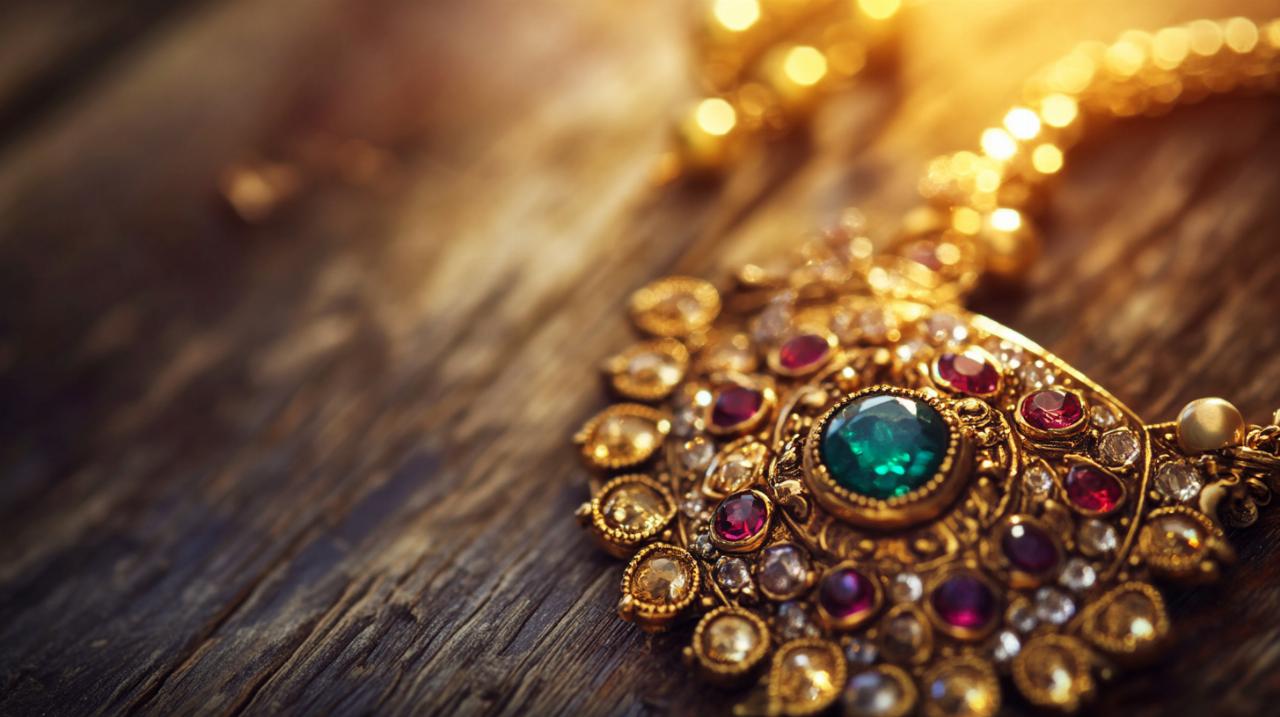
Diamonds, sapphires, rubies, and emeralds stand as the cornerstones of fine jewellery, each bringing its own unique characteristics and value considerations. Diamonds are typically assessed using the four Cs: carat weight, cut, colour, and clarity. Pieces featuring diamonds over one carat see a considerable increase in value, as larger stones are rarer and more sought after. Rubies exceeding two carats and sapphires or emeralds over three carats similarly command premium prices. Natural, untreated stones are worth substantially more than those that have undergone treatments to enhance their appearance. When examining these gemstones, look for signs of authenticity such as natural inclusions visible under magnification, which indicate a genuine stone rather than a synthetic imitation. The condition of the gemstone matters immensely; chips, cracks, or excessive wear can diminish value, while stones in original, unaltered condition retain their worth. It is also important to consider whether the gemstones have been set securely and whether the setting itself complements the quality of the stones. High-quality gemstones in well-crafted settings from respected periods such as the Georgian or Art Deco eras can elevate the value of a piece many times beyond its scrap metal worth.
The Significance of Colourful Gemstones in Art Deco and 19th Century Jewellery
The Art Deco period, spanning from 1920 to 1939, and the 19th century both celebrated the use of vibrant, colourful gemstones in bold and imaginative designs. Art Deco jewellery, with its geometric patterns and striking colour contrasts, often features sapphires, emeralds, and rubies set alongside diamonds to create dramatic visual effects. These pieces are highly sought after by collectors who appreciate the craftsmanship and artistic style of the era. Similarly, 19th-century jewellery, particularly from the Victorian period, often showcases colourful stones such as amethysts, garnets, and turquoise, reflecting the aesthetic tastes and sentimental values of the time. The combination of precious stones with distinctive period styles adds layers of value beyond the intrinsic worth of the materials. When assessing a piece from these eras, consider how the gemstones contribute to the overall design and whether they are original to the piece. Colourful stones that remain untreated and retain their natural hues are particularly prized, as they offer a glimpse into the historical context and artistic vision of their creators. The rarity of certain gemstone varieties from specific periods further enhances their desirability and market value.
Provenance Documentation: Tracing Heritage to Determine Worth and Sale Potential
Provenance, the documented history of ownership and origin, can add twenty to fifty per cent to an item's value. Knowing where a piece has been, who owned it, and the story behind its creation provides context that transforms jewellery from mere objects into cherished heirlooms. Provenance documentation may include original receipts, certificates of authenticity, family records, or historical photographs showing the piece being worn. This information not only confirms the legitimacy of the item but also enriches its narrative, making it more appealing to collectors and buyers who value heritage and history.
Utilising Expertise and Expert Appraisals for Accurate Price Valuation
While personal research and examination provide valuable insights, consulting with experts is essential for obtaining an accurate valuation. Professional appraisers bring years of experience and access to comprehensive databases of hallmarks, maker's marks, and market trends. They can identify subtle details that might be overlooked by the untrained eye and provide authoritative assessments of both the intrinsic and collectible value of your jewellery. An expert appraisal considers all the factors discussed: hallmarks indicating metal purity and origin, the quality and authenticity of gemstones, the era and style of the piece, the reputation of the maker, the condition, the weight, and the provenance. Designer jewellery from prestigious houses, rare pieces from the Georgian or Art Deco periods, and items with documented histories all benefit from expert evaluation. In many cases, the value derived from craftsmanship, rarity, and historical significance far exceeds the scrap value of the precious metals involved. Engaging with reputable antique jewellers or valuation specialists ensures that you receive an honest and informed assessment, which is crucial whether you plan to sell, insure, or simply understand the worth of your heirloom.
Where to Start: Free Offer Consultations and Repurchase Opportunities for Your Precious Jewel
For those new to the world of antique and vintage jewellery, the prospect of valuation might seem daunting. Fortunately, many established dealers and specialists offer free consultations to help you take the first step. These initial assessments provide an opportunity to discuss your piece, review its hallmarks and gemstones, and receive preliminary guidance on its potential value. Some dealers also offer repurchase opportunities, allowing you to sell your jewellery directly if the valuation meets your expectations. Free valuation services are particularly valuable as they remove financial barriers and encourage owners to seek professional advice without obligation. When selecting a valuation service, look for specialists with a strong reputation, transparent processes, and expertise in the specific type of jewellery you own. Whether you visit a showroom in Mayfair or consult with experts in other parts of London and beyond, the key is to choose professionals who demonstrate knowledge of British hallmarking systems, gemstone assessment, and the historical context of antique jewellery. By starting with a free consultation, you gain access to expert knowledge and begin the journey of uncovering the true worth of your precious jewel, whether it becomes a treasured keepsake or a valuable asset for sale.