
Selecting the right car seat for your child is one of the most important decisions you will make as a parent. With so many options available, it can feel overwhelming to navigate the various categories, safety standards, and features. This guide is designed to simplify the process, offering clear insights into what matters most when it comes to child protection and car seat safety. By understanding the key factors that influence your choice, you can ensure your little one travels securely and comfortably on every journey.
Understanding car seat categories and age-appropriate options
Choosing the correct car seat begins with understanding the different categories available and how they align with your child’s age, weight, and height. In the UK, car seats are a legal requirement for children until they reach 12 years of age or 135 centimetres in height, whichever comes first. The market offers a range of options, from infant carriers to booster seats, each designed to meet the specific needs of growing children. Knowing which category suits your child at each stage of their development is essential for ensuring both compliance with UK legal requirements and optimal safety.
Infant Carriers vs Convertible Seats: What Works Best for Your Family
For newborns and infants, rear-facing seats are the gold standard. Baby car seats are designed for children up to 15 months or 85 centimetres in height, providing enhanced support for their delicate necks and spines. These seats are typically lightweight and portable, making them convenient for parents who need to move their child between the car and a pushchair. However, some families opt for convertible seats that can transition from rear-facing to forward-facing as the child grows. Under the i-Size regulation, which is a UN standard also known as ECE R129, rear-facing seats must be used until the child is at least 15 months old. This requirement reflects the understanding that rear-facing seats offer superior protection in the event of a collision. When deciding between an infant carrier and a convertible seat, consider your budget, the number of vehicles you use, and how long you want the seat to last. Convertible seats often provide better value for money over time, as they adapt to your child’s changing needs. To make an informed decision, be sure to visit our latest recommendations for a closer look at the most trusted models on the market.
Forward-Facing and Booster Seats: When to Make the Transition
Once your child has outgrown their rear-facing seat, typically around the age of four, it is time to consider forward-facing seats or booster seats. Toddler car seats are suitable for children up to four years old and can be forward-facing from 15 months. Some models are designed to convert into booster seats, extending their usability. Child car seats, on the other hand, are intended for use up to 12 years or 150 centimetres in height and come with adjustable features to accommodate growth. High-backed boosters are particularly recommended for older children, as they offer more support and protection than booster cushions. Manufacturers are no longer permitted to produce backless booster seats for children under 22 kilograms or 125 centimetres, reflecting a shift towards prioritising safety. When making the transition from rear-facing to forward-facing seats, always follow the manufacturer guidelines and ensure the seat is compatible with your vehicle. It is also worth noting that a properly fitted car seat can reduce the risk of injury by as much as 82 percent, underscoring the importance of choosing the right category at the right time.
Safety Features and Standards: What to Look for When Comparing Models
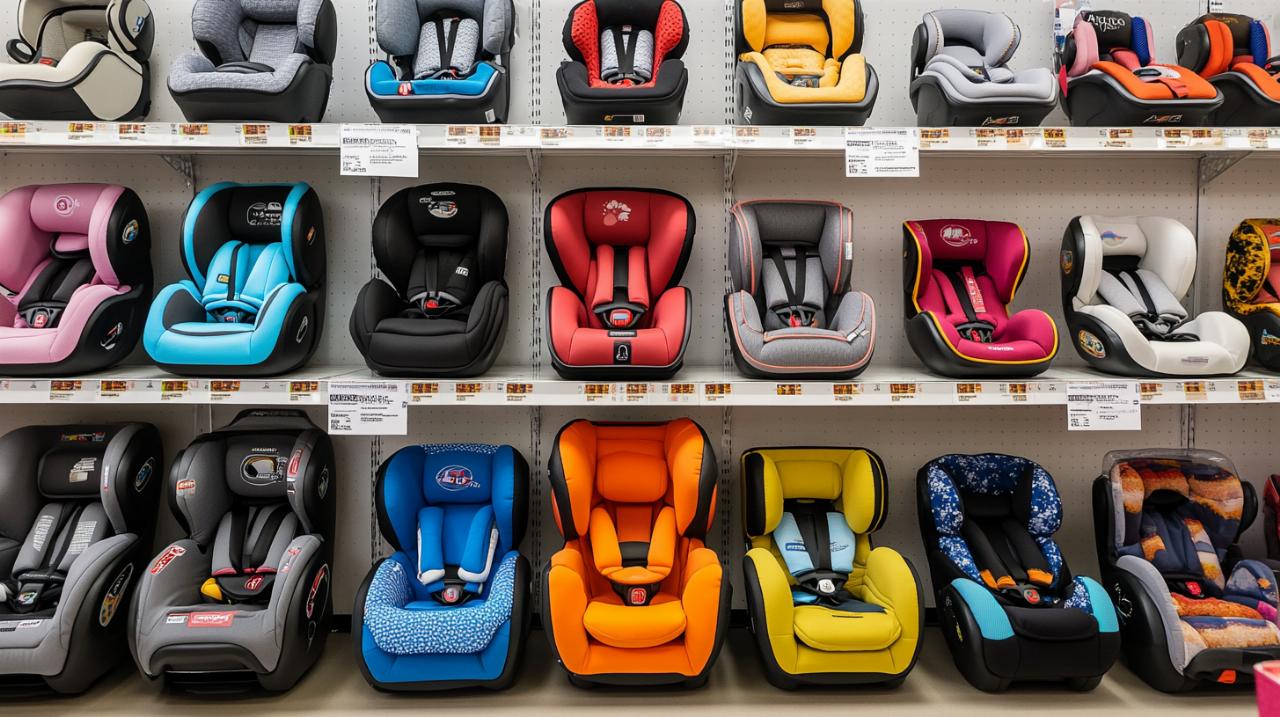
Safety is the cornerstone of any car seat decision. Modern car seats are equipped with a range of features designed to protect children in the event of an accident. From advanced harness systems to cutting-edge impact protection, understanding these features will help you compare models effectively. In the UK, all car seats must meet stringent safety standards, including ECE R44.04 or the newer i-Size regulation, also known as R129 compliance. These standards ensure that seats undergo rigorous testing and provide a baseline level of protection. However, not all seats are created equal, and some offer additional safety features that go beyond the minimum requirements.
Isofix installation and five-point harness systems explained
One of the most significant advancements in car seat safety is the introduction of the Isofix system. This system allows the seat to be directly attached to the vehicle’s chassis, reducing the risk of incorrect installation. The i-Size regulation mandates that all car seats include an Isofix system, making it easier for parents to secure the seat correctly. When selecting a seat, check that your vehicle is compatible with Isofix and ensure that any support leg required by the seat does not rest on underfloor storage. Some seats also feature a top tether point, which provides additional stability. Five-point harness systems are another critical safety feature. These harnesses secure the child at five points: over the shoulders, at the hips, and between the legs. This design distributes the force of a collision more evenly across the body, reducing the risk of injury. When comparing models, look for seats with adjustable harnesses that can grow with your child and ensure the harness is easy to tighten and loosen. Professional installation is highly recommended, especially for first-time users, to ensure the seat is fitted correctly and securely.
Side impact protection and crash test ratings demystified
Side impact protection is a feature that has become increasingly important in recent years. The i-Size regulation includes side impact testing as part of its standards, ensuring that seats can withstand collisions from the side as well as the front and rear. Seats with advanced side impact protection often feature additional padding or energy-absorbing materials around the head and torso. When evaluating crash test ratings, look for seats that have been tested by independent organisations and have received high scores. It is also worth noting that some brands, such as Axkid and Cybex, are known for their commitment to safety and innovation, consistently producing seats with advanced safety features. Beyond the technical specifications, consider the seat’s overall design and how it fits in your car. A seat that is difficult to install or does not fit well in your vehicle is less likely to provide optimal protection. Always read car seat reviews and seek advice from trained staff at retailers who can help you try the seat in your car before making a purchase. Remember, even for short trips, always use car seats, as accidents can happen at any time. The peace of mind that comes from knowing your child is protected is invaluable.